
About the Champlins
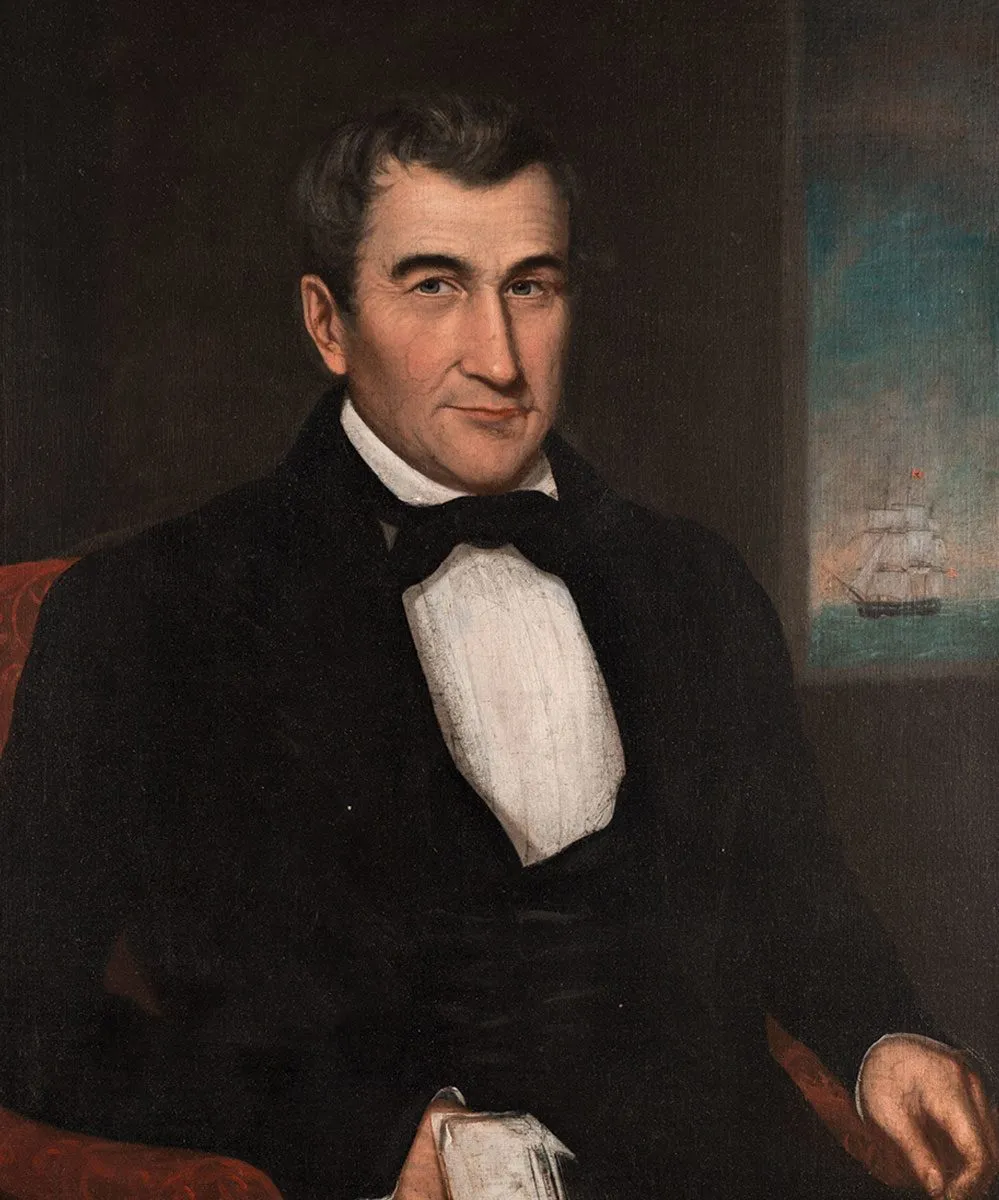
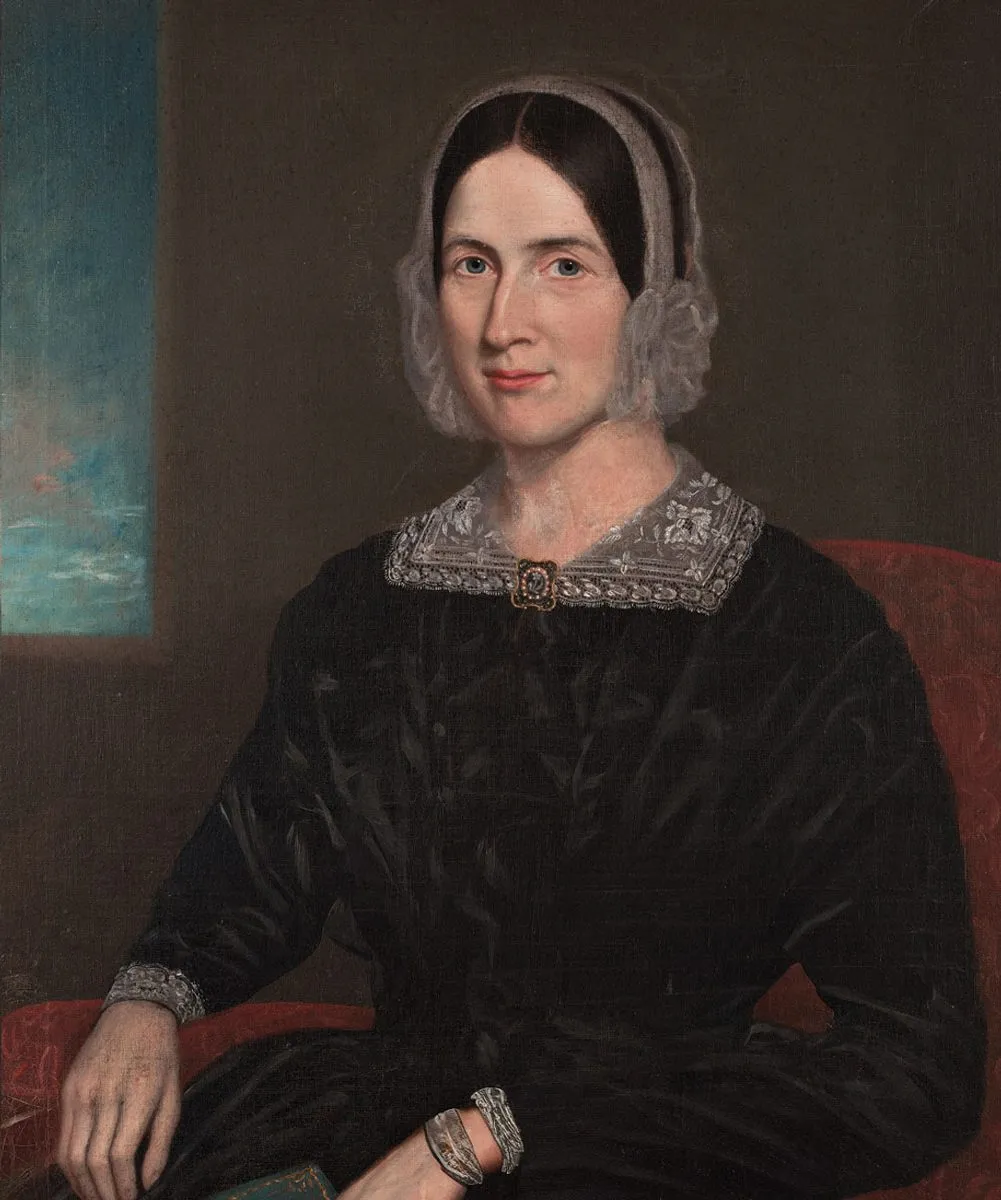
Captain Henry Lay Champlin was a sea captain and shipowner associated with Lyme and Essex, Connecticut. Amelia Prudence Hayden came from one of Essex’s prominent shipbuilding families. The Hayden family genealogy identifies Amelia as the daughter/granddaughter in the Hayden line and records her marriage to Henry L. Champlin.
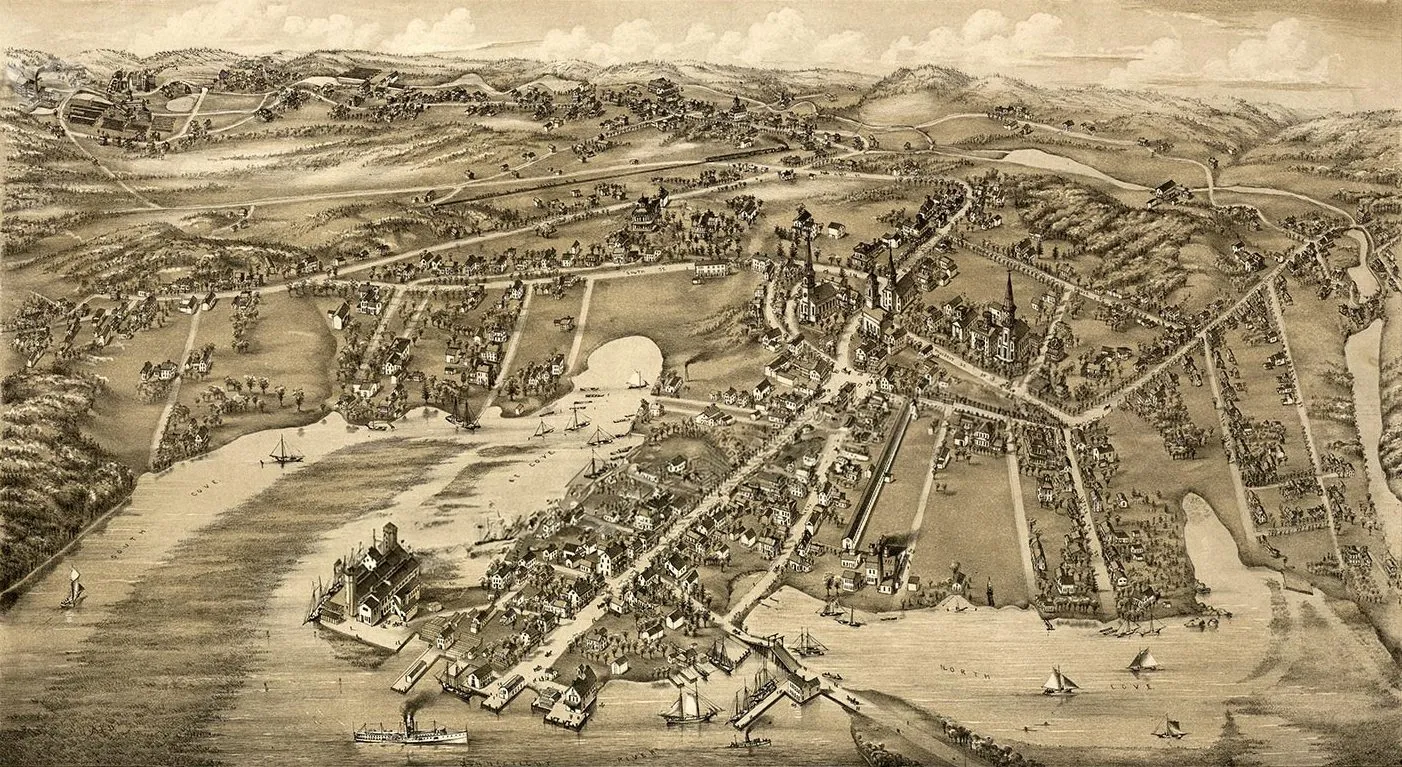
They married into a world dominated by the Connecticut River shipbuilding and maritime trade. At the time, the village was called Pettipaug; it was renamed Essex in 1823.
The Champlin Family Tree
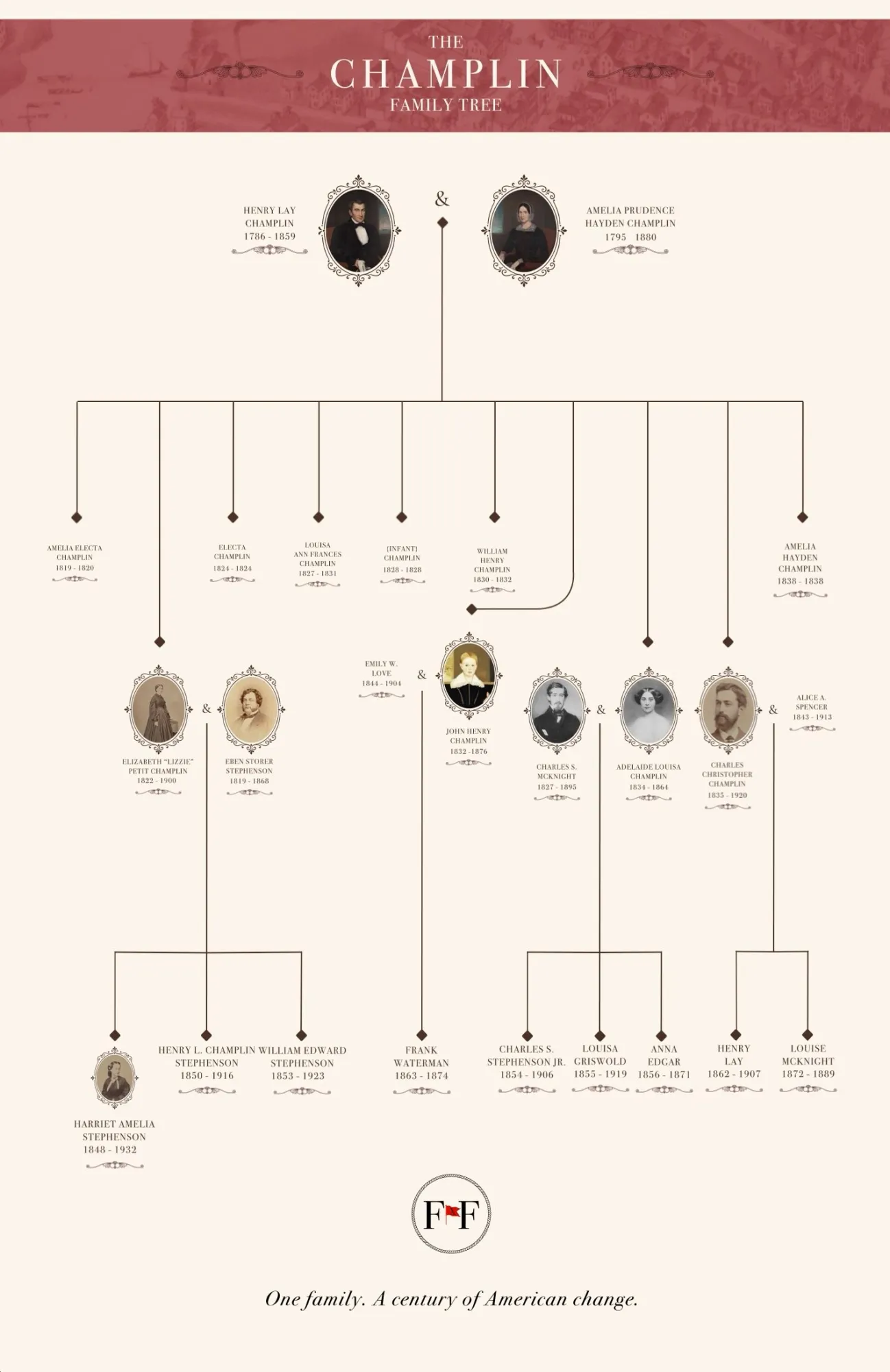
Tap the family tree to view it full size.
Family History
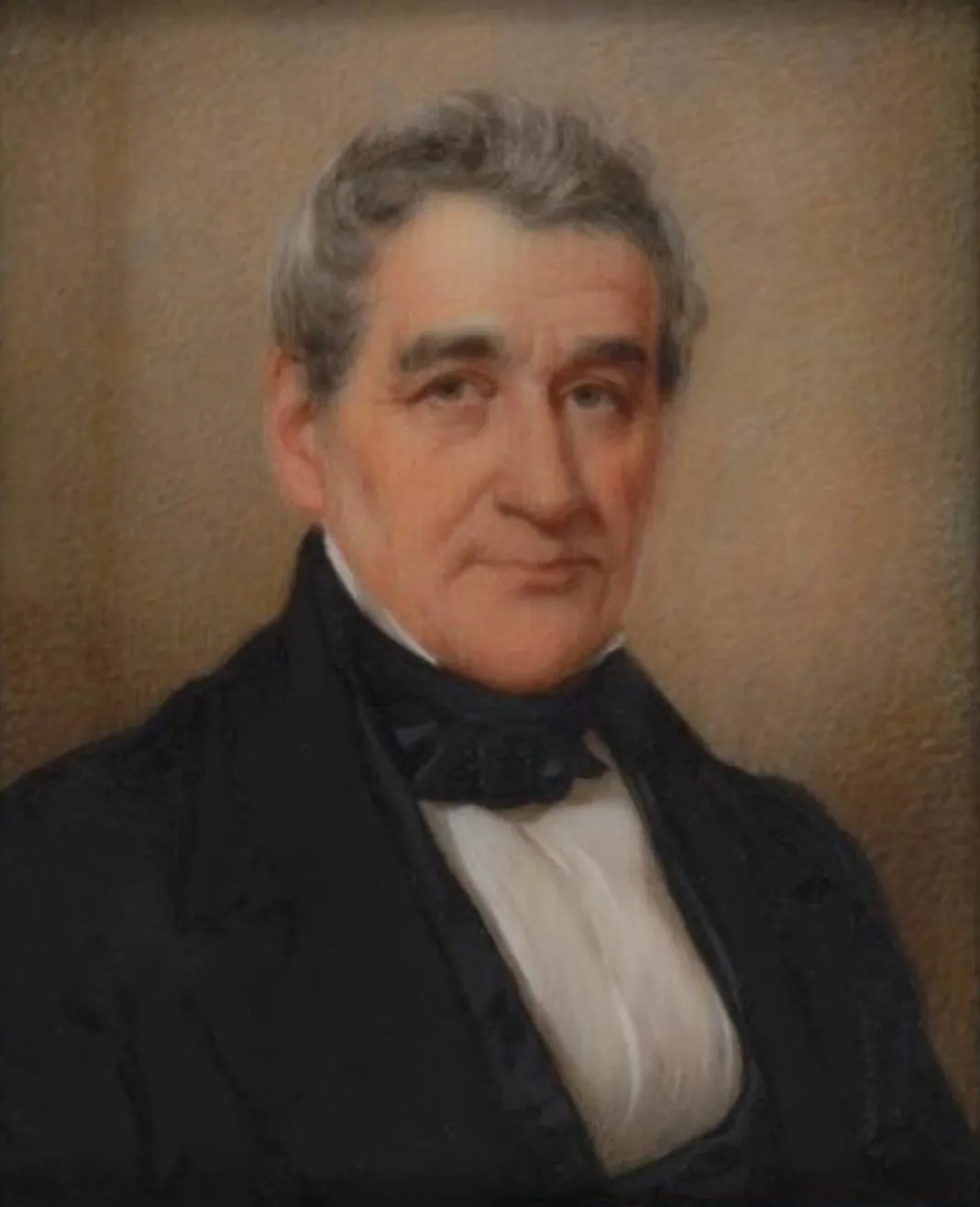
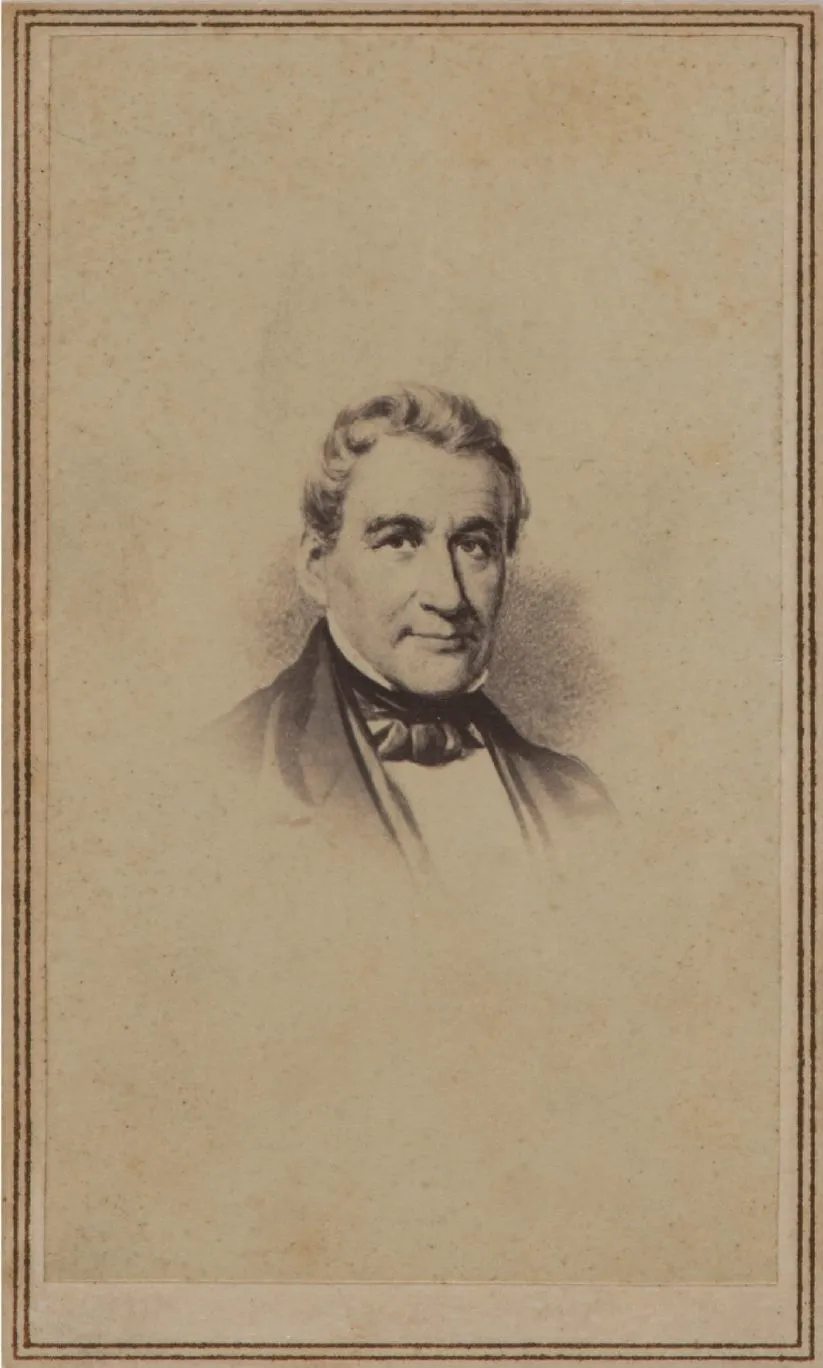
Captain Henry Champlin
Henry’s career was particularly remarkable. The recent Essex Village National Register research says that he lost a ship during the British raid on Essex in 1814, during the War of 1812. He subsequently recovered financially and continued his maritime career. By the 1850 census, he was listed as a 66-year-old captain, with approximately $10,000 in real estate—a substantial amount for the period.
He eventually became the first president of the Essex Savings Bank, founded in 1851. The bank’s own history describes him as a prominent shipmaster and owner of the first London line of packet ships from New York.
Henry died in 1859. The family remained in the Champlin House until 1890, when it was sold to George A. Cheney.
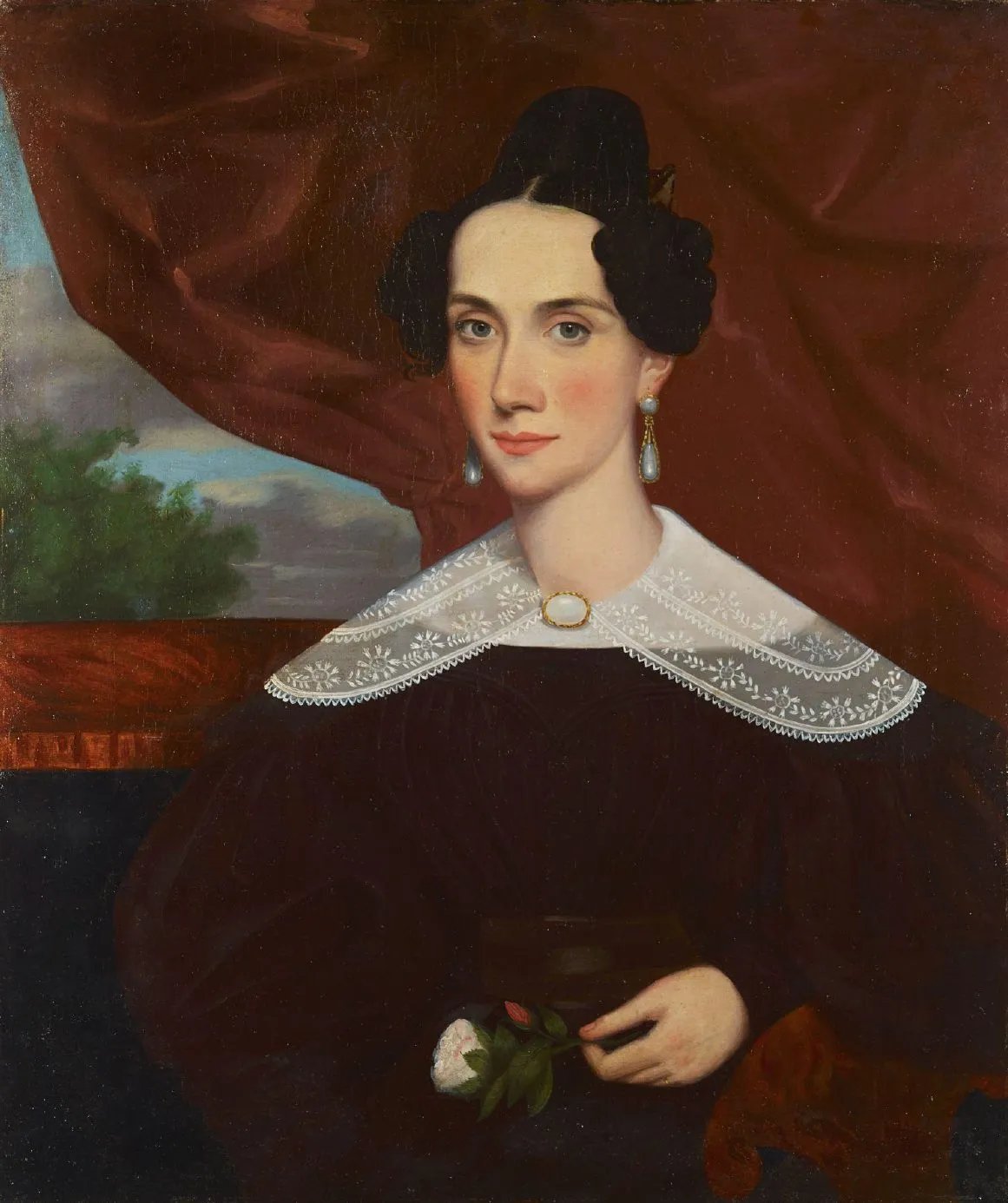
Amelia Champlin
Amelia wasn’t simply the wife of a wealthy captain. She came from the Hayden family, which was deeply involved in Essex’s commercial and shipbuilding history. Her inheritance helped establish the Champlins on the property where their house was built.
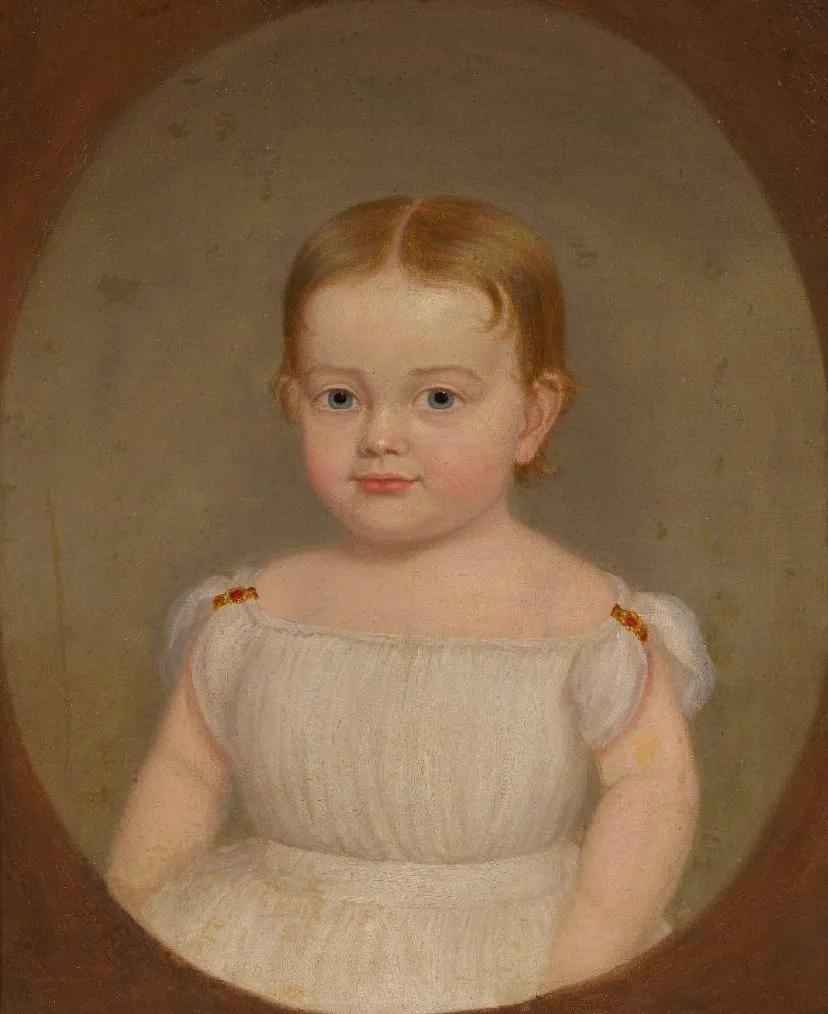
There is also a fascinating glimpse of Amelia’s personal life. She was friends with the celebrated 19th-century poet Lydia Sigourney. In 1831, after the death of Amelia’s three-year-old daughter Louisa, Amelia wrote to Sigourney asking her to compose a memorial poem.
Sigourney wrote Lost Darling for the child.

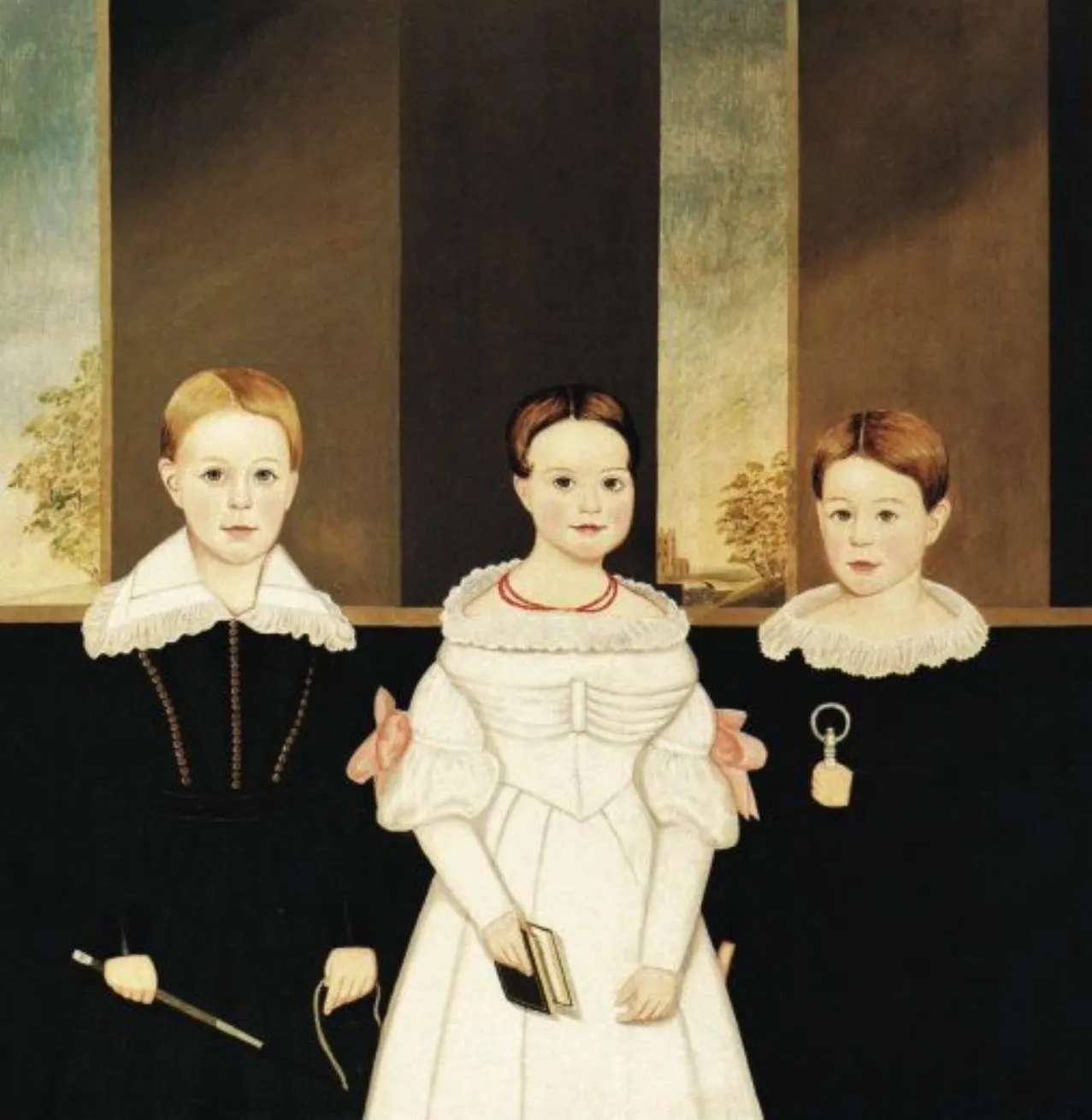
Children & Family
The Champlin family continued to be involved in Essex business. One of their sons, Charles Champlin, went into business with Alvan Whittemore in the manufacture of witch hazel extract in a building that later became Essex Town Hall.