

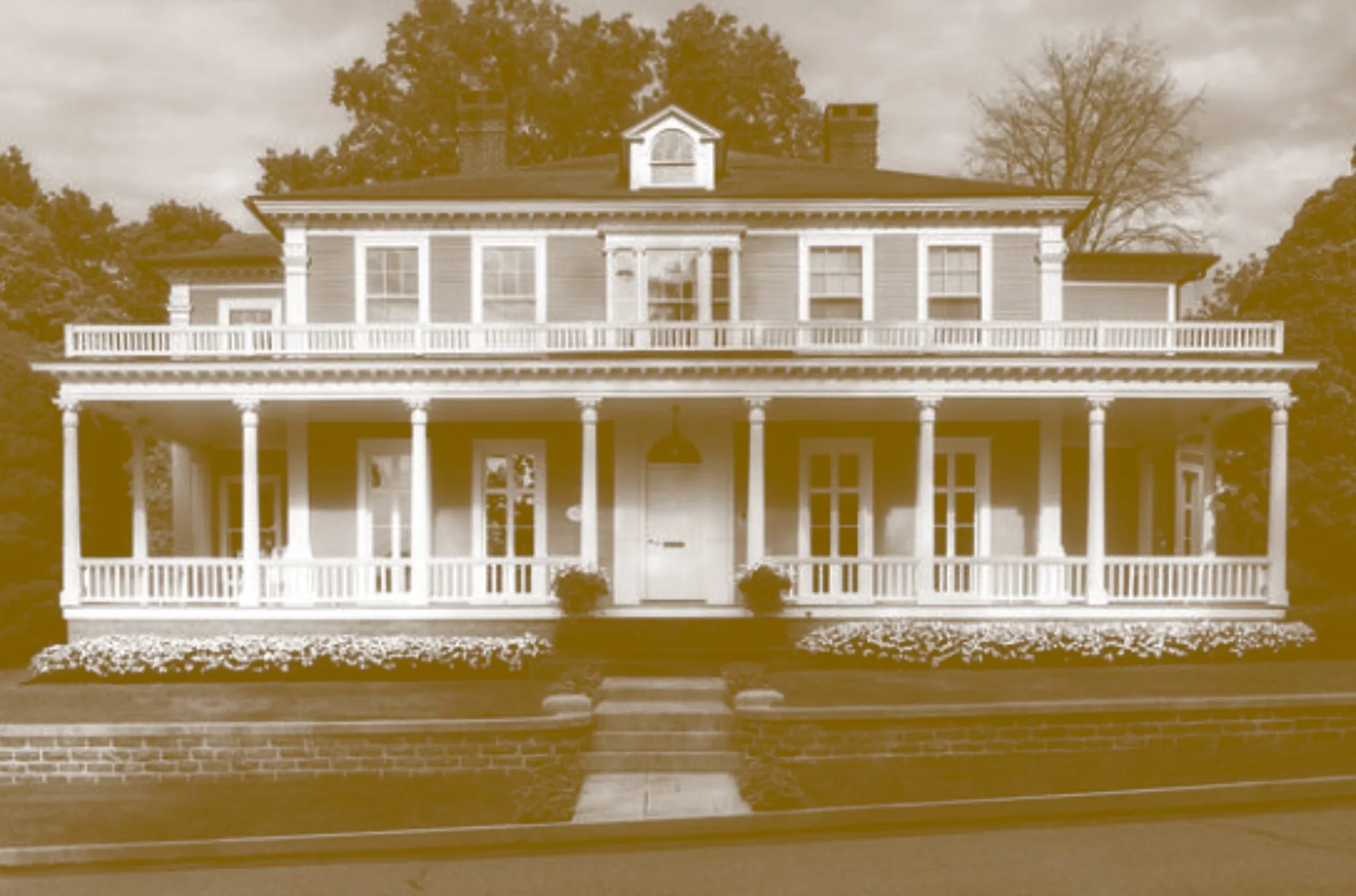
The Champlin House
Built by Captain Henry and Amelia Champlin between 1818 and 1820, One Champlin Square stood at the heart of a thriving Essex village, overlooking the Connecticut River. Stores ringed the square, while nearby streets led down to the bustling waterfront and Main Street. Essex was prospering from a growing international maritime trade that fueled its shipyards and brought new wealth to the community.
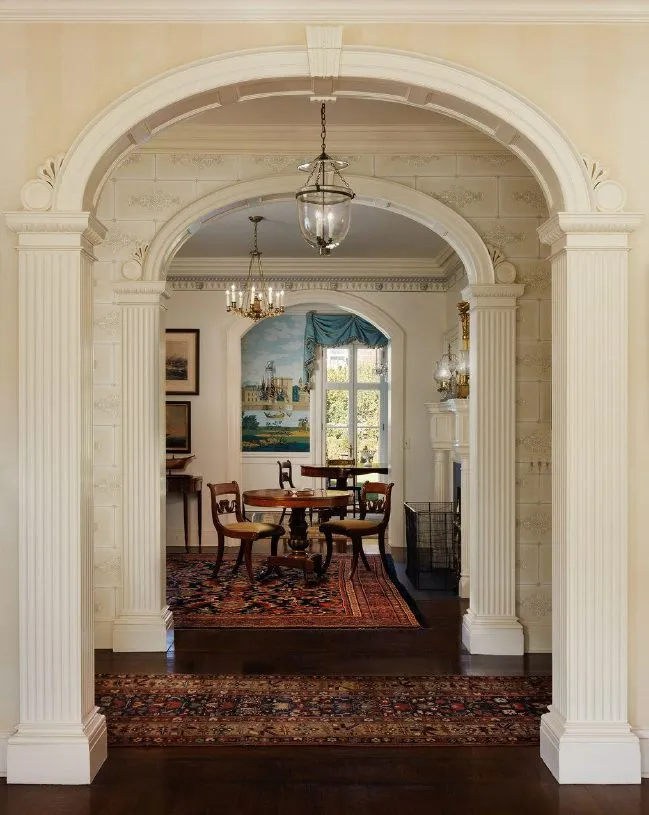
The Champlins’ grand new residence reflected both this growing prosperity and the sophisticated tastes they developed abroad. Drawing inspiration from architecture they encountered in Europe and in American ports such as Savannah and Charleston, they incorporated elements of the classic Georgian style and the emerging Federal aesthetic. Amelia’s experiences accompanying Henry on voyages overseas, including a visit to Paris in 1818, also shaped the interiors, exposing her to European furnishings and decorative arts.
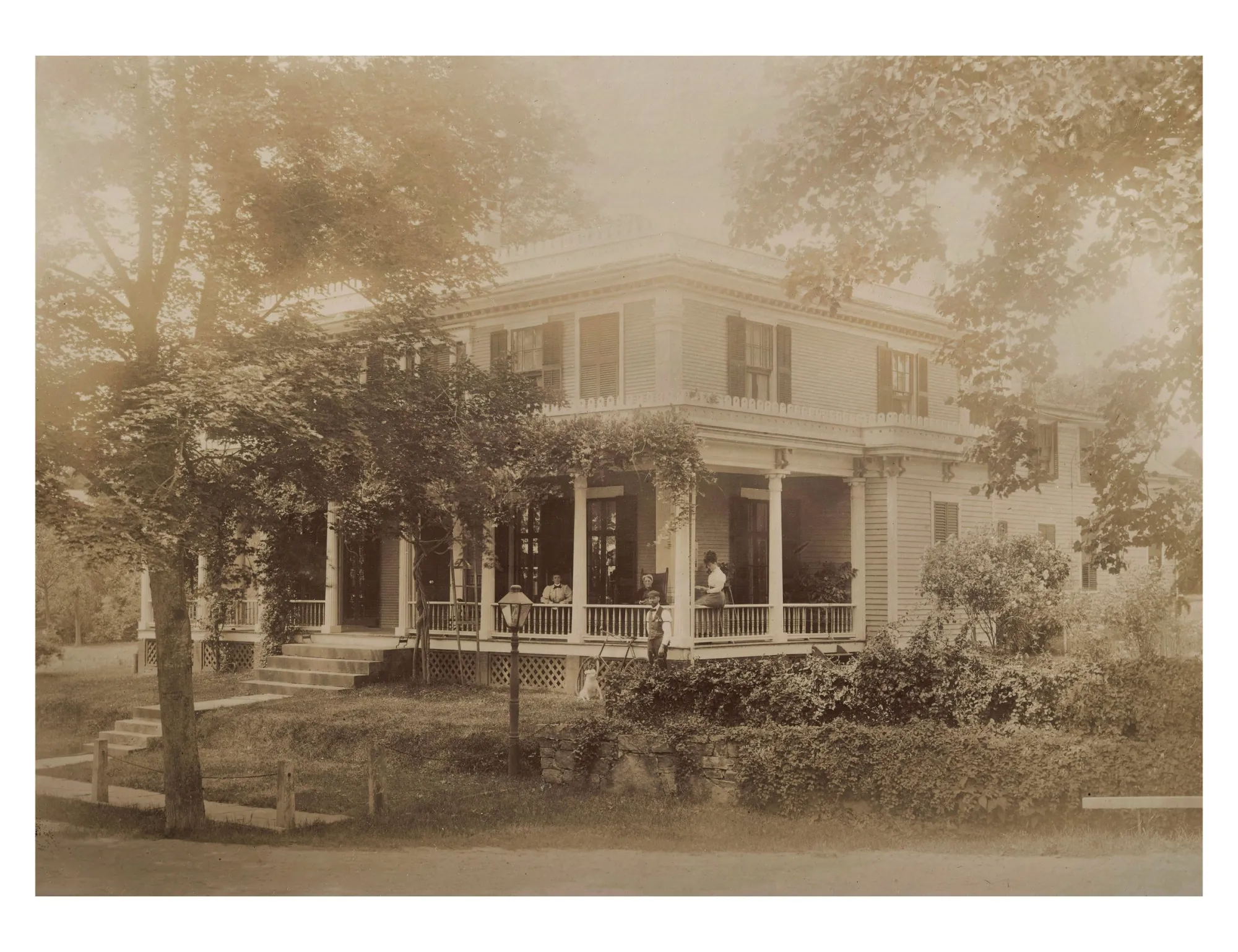
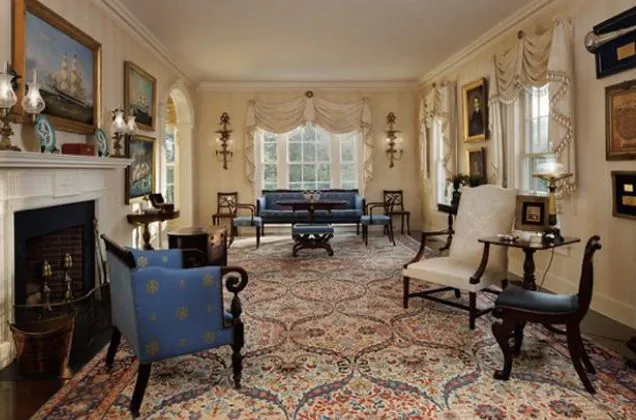
Current owner and Faith and Fortune co-author Geoffrey Paul first became fascinated with One Champlin Square as a child growing up in Essex. When he had the opportunity to purchase it in 1991, he began a three-year restoration, preserving its original architectural details while researching the lives of Henry and Amelia. That research also began a decades-long effort to find and return pieces of the Champlins’ lives to the place where they originated. Family letters, furniture, portraits, and maritime artifacts have gradually made their way back to One Champlin Square.
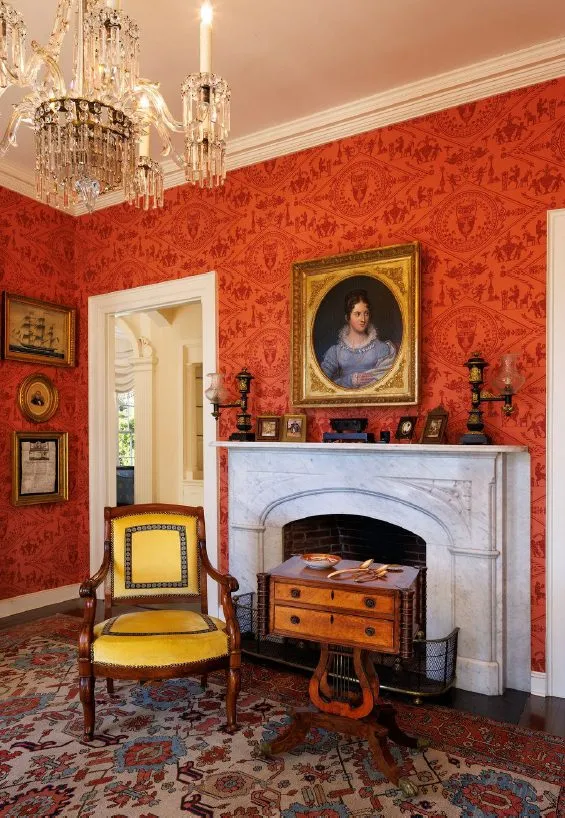
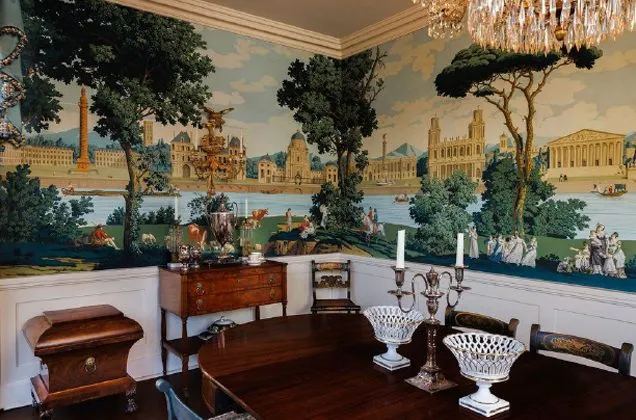
Among the most significant is Amelia’s portrait, painted in Paris by French artist Louis Ducis and now once again hanging above the mantel in the front parlor. Another treasured piece is an engraved silver snuff box presented to Henry by passengers following the maiden voyage of the packet ship Hudson from New York to London in 1822. Paul also selected period wallpapers that evoke the styles Amelia might have encountered in Europe, including the panoramic Monuments de Paris, which surrounds the dining room.
The house went up only four years after the British raid on Essex on April 8, 1814, when British forces destroyed or captured 28 vessels in the harbor. The raid devastated the local maritime economy.
While preserving the character of the historic residence, Paul has also ensured that One Champlin Square remains what it was for Henry and Amelia: a family home. Its approximately 7,000-square-foot footprint remains largely unchanged, with the addition of a traditionally crafted glass conservatory designed to complement the original architecture.
More than 200 years after Henry and Amelia built One Champlin Square, the house continues to connect their world with the present. Paul’s efforts to understand the people who lived within its walls and to return pieces of their story to the rooms they once occupied ultimately helped inspire Faith and Fortune.
